




Access to Arknights: Endfield was provided by GRYPHLINE for review. Thank you!
Arknights: Endfield doesn’t just step out of the shadow of its predecessor; it actively burns the bridge behind it. This is not tower defence with a new coat of paint, nor is it interested in gently onboarding you from the original Arknights. Instead, developer Hypergryph swings for something far bolder: a moody, deliberate action-RPG that trusts its audience to keep up, even when it’s being dense, bleak, or unapologetically slow.
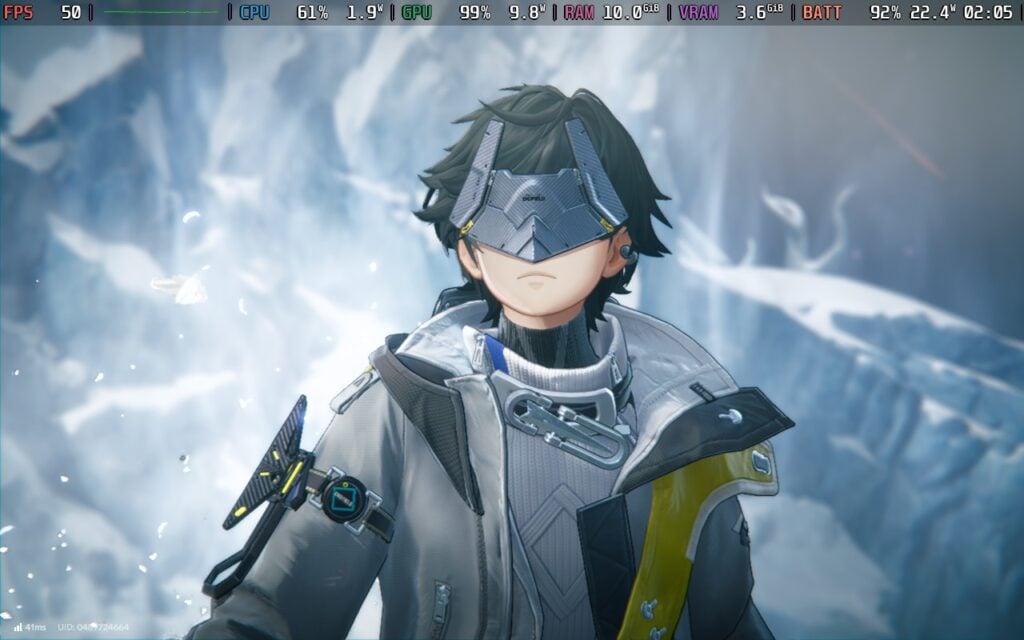
From the moment you set foot on Talos-II, the game makes its intentions clear. This is a world that doesn’t care if you’re comfortable. Vast industrial complexes loom over scorched landscapes, technology feels barely under control, and every location carries the weight of something having gone catastrophically wrong. Endfield thrives on atmosphere, and it’s at its best when it lets environments do the talking rather than spelling everything out through exposition. Even standing still can feel oppressive, in the best possible way.
That tone carries directly into the story, which is equal parts fascinating and frustrating. You play as the Endministrator, a figure of authority navigating political tension, environmental collapse, and the consequences of industrial ambition. The writing is smart, but indulgent. Early on, the game absolutely loves the sound of its own terminology, and it’s easy to bounce off the sheer volume of names, concepts, and factions thrown at you. Stick with it, though, and the narrative slowly reveals a confidence and maturity that’s rare in the genre. When Endfield slows down and focuses on people rather than systems, it lands its emotional beats with surprising force.
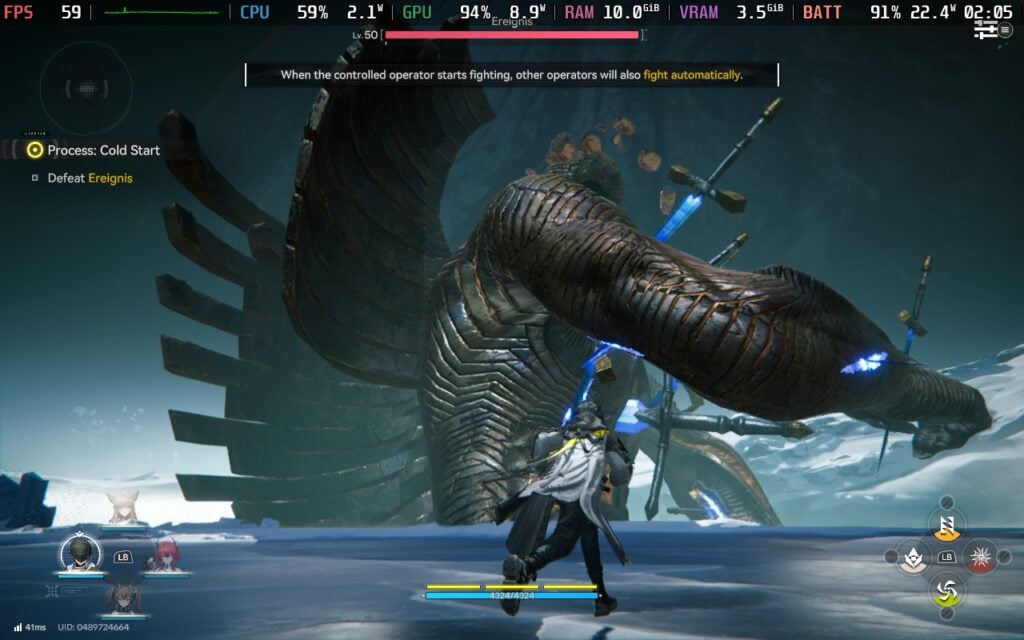
Combat is where all that brooding energy finally gets to cut loose. Endfield’s real-time, party-based action is slick, weighty, and far more thoughtful than it first appears. This isn’t a button-masher pretending to be clever — success comes from reading enemy patterns, knowing when to swap characters, and committing to your decisions. Each character feels distinct, not just cosmetically but mechanically, and building a rhythm between them mid-fight is deeply satisfying. Yes, some encounters blur together over time, but the moment-to-moment feel of combat is strong enough to carry the experience.
Exploration strikes a smart balance between freedom and focus. Rather than dropping you into an overwhelming open world, Endfield offers tightly connected spaces that encourage poking around without killing momentum. Movement feels good, traversal options keep things snappy, and there’s a pleasing sense of forward motion that stops the game from bogging down between combat and story. It respects your time more than its early pacing might suggest.
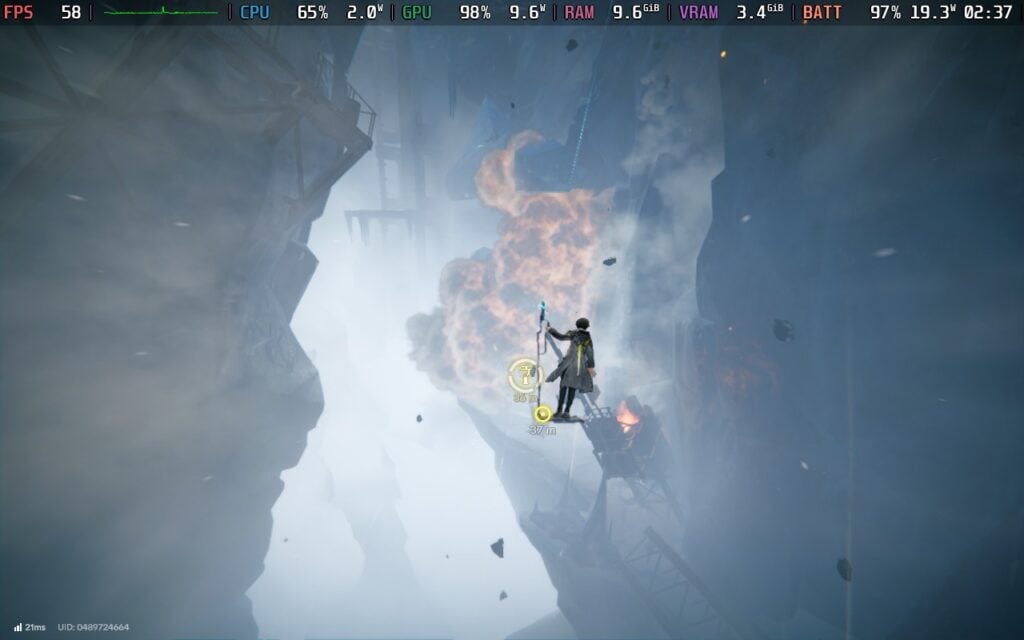
Visually, the game is a knockout. Character models are sharp and expressive, cutscenes are framed with confidence, and the use of scale gives Talos-II a genuinely cinematic presence. The soundtrack quietly does a lot of heavy lifting too, underscoring the game’s melancholy without ever screaming for attention. That said, the interface can get noisy during intense moments, occasionally fighting the player for clarity when things kick off.
Being free-to-play inevitably brings baggage, and Endfield doesn’t pretend otherwise. Progression systems sit in the background like a low hum, never quite going away. While the game is generous enough early on and avoids constantly shoving spending prompts in your face, players with little tolerance for gacha conventions will still feel the friction over time. It’s not the defining feature of the experience, but it is a persistent one.
To play Arknights: Endfield on the Steam Deck, you will have to install it from a third-party. This could be from Epic using the Heroic Games Launcher or NonSteamLaunchers, or installing the launcher directly and adding it to Steam.
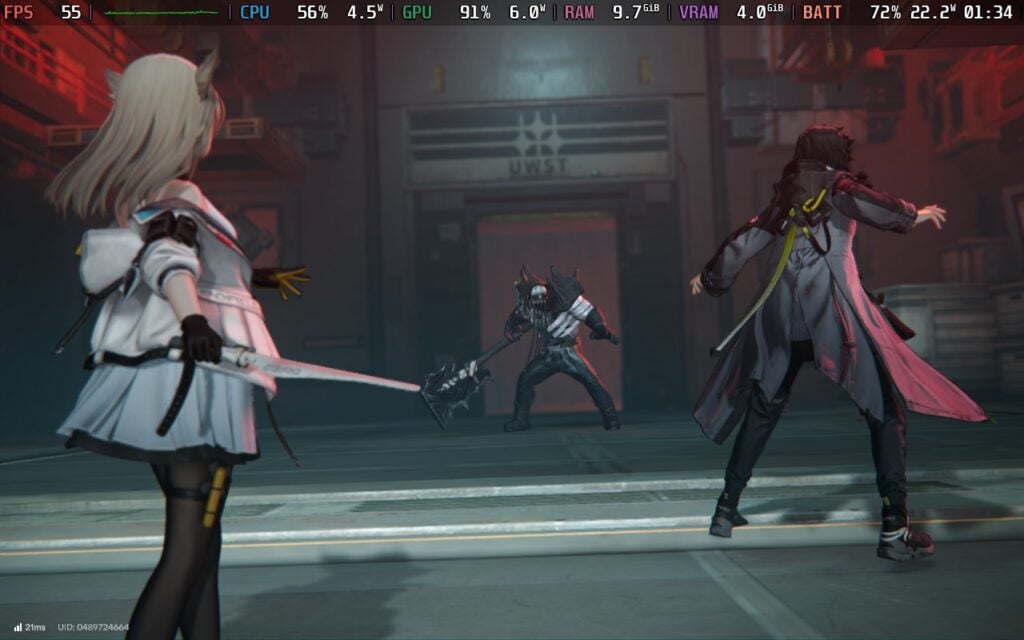
Arknights: Endfield performs better than might be expected for a visually dense, PC-first release. With sensible settings in place, specifically keeping it at the "Very Low" preset, albeit with an FPS cap of 60, the game is certainly capable of mostly holding that 60fps target, delivering a surprisingly smooth experience during exploration and combat alike. While there can be the occasional dip during busier moments, overall performance feels stable enough to comfortably justify a higher frame-rate cap rather than settling for 30fps, which helps the game feel more responsive on Valve’s handheld.
That performance does come at a cost, however. Power draw typically sits in the 22–24W range, putting sustained pressure on the Steam Deck’s battery. In real-world use, that translates to an expected battery life of around two hours at best, and sometimes less depending on brightness and background processes. It’s very much a “play near a charger” experience, but for shorter sessions, Endfield proves that the Steam Deck can deliver strong performance, even if endurance takes a predictable hit.
No accessibility options are available.
In the end, Arknights: Endfield feels like a game made with quiet confidence. It’s dense, occasionally stubborn, and absolutely uninterested in chasing mass appeal. That won’t work for everyone, and it doesn’t try to. But for players willing to meet it on its own terms, Endfield offers a richly atmospheric, mechanically engaging experience that feels rare in the free-to-play space. It’s flawed, sometimes frustrating, and often brilliant, a game that knows exactly what it wants to be, even if it makes you work a little to appreciate it. As with every GaaS, however, especially the Gacha-based ones, its survival is contingent on future content and on whether the systems implemented, both present and future, feel fair to the burgeoning playerbase.
Our review is based on the PC version of this game.
If you enjoyed this review, be sure to check out the rest of the content on SteamDeckHQ! We have a wide variety of game reviews and news that are sure to help your gaming experience. Whether you're looking for news, tips and tutorials, game settings and reviews, or just want to stay up-to-date on the latest trends, we've got your back.
In the end, Arknights: Endfield feels like a game made with quiet confidence. It’s dense, occasionally stubborn, and absolutely uninterested in chasing mass appeal. That won’t work for everyone, and it doesn’t try to. But for players willing to meet it on its own terms, Endfield offers a richly atmospheric, mechanically engaging experience that feels rare in the free-to-play space. It’s flawed, sometimes frustrating, and often brilliant — a game that knows exactly what it wants to be, even if it makes you work a little to appreciate it. As with every GaaS, however - more so the Gacha-based ones - it's survival is contingent on future content, and whether the systems implemented, both present and future, feel fair to the burgeoning playerbase.